




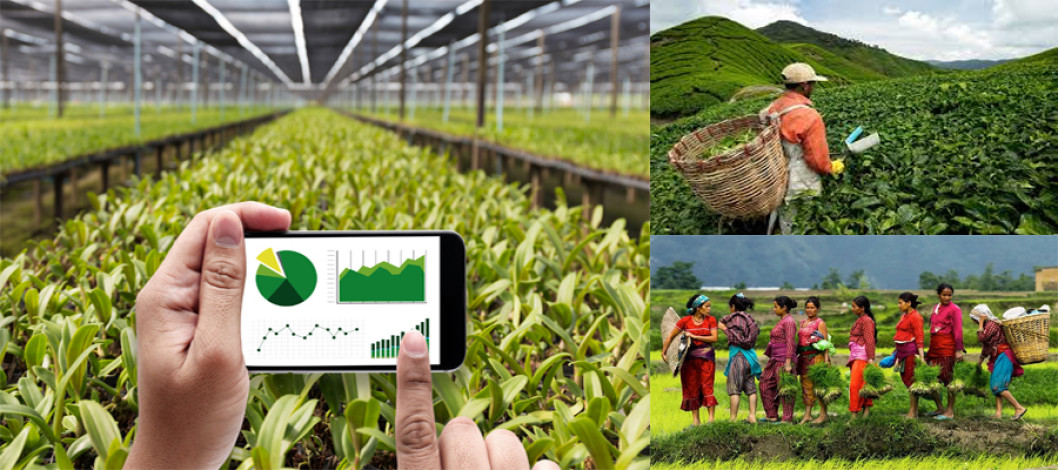
File Photo
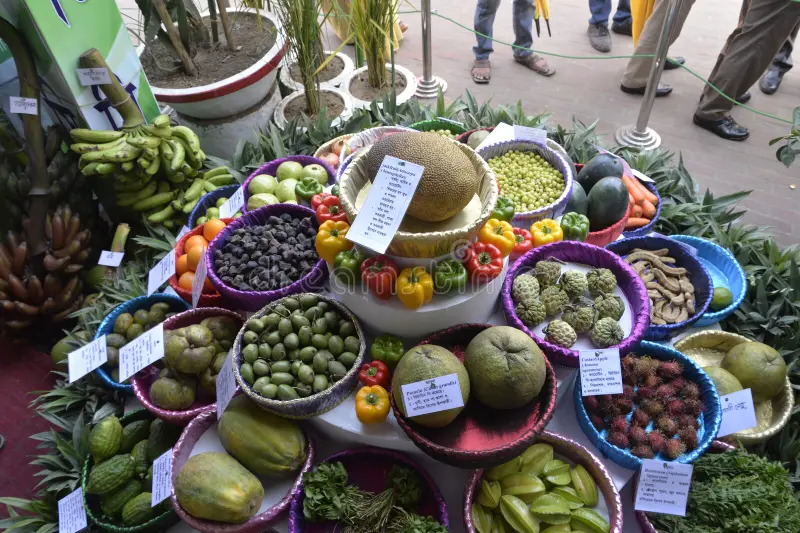
Agriculture in Malaysia makes up twelve percent of the nation's GDP. Sixteen percent of the population of Malaysia is employed in agriculture. Large-scale plantations were established by the British. These opened opportunities for new crops such as rubber (1876), palm oil (1917), and cocoa (1950). A number of crops are grown for domestic purposes, such as bananas, coconuts, durian, pineapples, rice, and rambutan.
Climate
The climate of Malaysia produces the proper conditions for the production of exotic produce. It is located on a peninsula in Southeast Asia. This area is very rarely affected by hurricanes or drought. Malaysia maintains a humidity level of around ninety percent because of its location close to the equator. The weather stays hot and humid all year round.
Effects of climate change
Agriculture is further threatened by droughts and floods. Rice yields may decline by 60%. Other potentially impacted products include rubber, palm oil, and cocoa. Annual drought probability, which currently lies at 4%, may increase to 9%. Such probability varies by locality, being most likely in Sabah. Overall, precipitation changes will have a more significant impact on agriculture than temperature changes.
Warming seas and changing weather patterns are affecting fish stocks and making fishing more dangerous. Communities most exposed to the impact of climate change are poorer, including those involved in manual labour, agriculture, and fisheries. The impacts of climate change are thus expected to reinforce existing inequality, both in impact and in the ability to adapt.
Ministry of Agriculture and Food Security
This ministry is also known as the Kementerian Pertanian & Keterjaminan Makanan Malaysia. The ministry serves as an agency for private agricultural businesses to get advice from experts who specialise in agriculture, fishing, and livestock. The ministry plans the policies, strategies, and different development programs. It monitors, surveys, directs, and puts into action the projects given by the Integrated Agricultural Development Project (IADP). The ministry has services such as collecting, analysing, and restoring information and agricultural data through science, and providing the report to farmers. It provides references and agricultural management systems for plantation owners to access all collected agricultural information.
Malaysian palm oil production
Malaysia is the world's second-largest palm oil producer and exporter, with production expected to exceed 20 million tonnes in 2025. The industry is a major economic driver, contributing about 3% to the national GDP and covering over 5 million hectares. Key products include crude palm oil (CPO) and palm kernel oil, with major exports to India, China, and the EU.
By 2025 is expected to exceed 20 million tonnes for the first time on record, assuming favorable weather and a successful harvest. Reuters reports details of this optimistic forecast, citing data from the Malaysian Palm Oil Board (MBOP). Record production in Malaysia, the world’s second-largest palm oil exporter, is expected to likely increase inventories, which could put pressure on futures, which are already at a five-month low. Malaysia’s palm oil inventories rose to their highest level in over 6.5 years in November, reaching 2.84 million tonnes, due to lower exports. Despite the expected improvement in export demand, inventories are expected to continue to rise and could reach 3 million tonnes by the end of December.
However, experts note that the supply shortage in the global edible vegetable oil market that emerged in 2025 will continue into 2026. As a reminder, the area under palm oil plantations has grown by 11% over the past 20 years and will reach 27.9 million hectares by the end of this year.
 Rice production and consumption
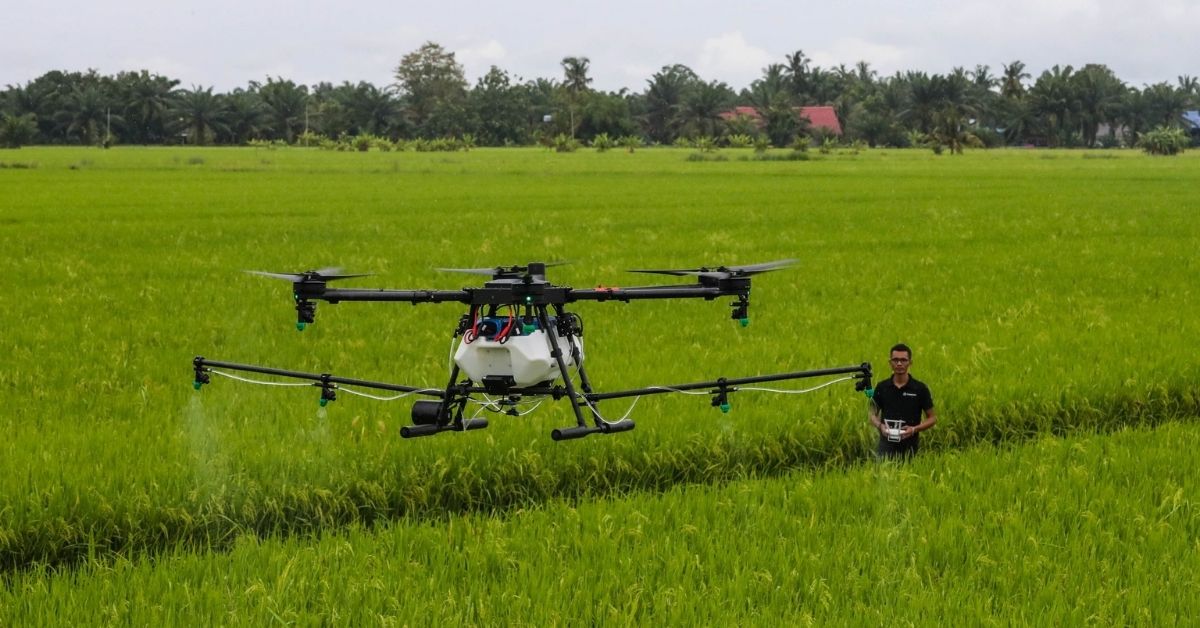
Rice is a crucial part of the everyday Malaysian diet. In 1998, Malaysia produced 1.94 million metric tons of rice. Even with this high production, Malaysia still only produces eighty percent of what it needs to support itself and must import the rest. The average Malaysian citizen consumes 82.3 kilograms of rice per year. The increasing population calls for more research and technological advancement to increase rice production for consumption within the nation.
Statistics
Nearly twenty-four percent of Malaysia's land area is composed of land dedicated to agriculture alone. There are around 43,000 different agricultural machines and tractors. Malaysia contains 7,605,000 hectares of arable and permanent cropland. Malaysia produces 535,000 metric tons of bananas per year. Only about five percent of Malaysia's cropland is actually irrigated.[12] This chart displays a predicted relationship between the consumption of rice, the amount planted, and the increase in population from 2008 up until 2030.
Rubber production
Rubber trees were first planted in British Malaya in 1876. The first commercial rubber planting was in 1896. In 1903, 20,000 acres were dedicated to rubber production in Malaya. By 1922, this number had risen to 2,260,000 acres. Two political restrictions on rubber production – the Stevenson Plan (1922-1928) and the International Rubber Regulation Agreement (1934-1942) – harmed the Malayan economy over the long run, as the rubber restrictions were most stringently enforced there.
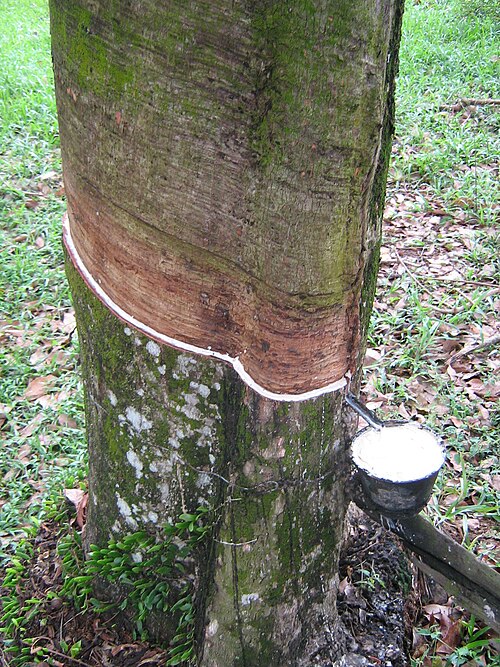 Malaysia was formerly responsible for one-third of the world's rubber exports. However, production has decreased across most states. Between 2001 and 2008, production value rose, hitting 11.24 billion dollars. In 2009, however, production plummeted by nearly six percent, as growers switched to a more profitable product, palm oil.
Malaysia has earned a good reputation around the world for its high-quality and well-priced rubber products. Rubber manufacturers in Malaysia supply several rubber products, such as medical gloves, components for automobiles, belts, and hoses, to several countries, such as the United States, Japan, China, and many countries in Europe.
As of 2019, Malaysia ranks as the sixth largest producer and exporter of Natural Rubber, and is a leading producer of rubber products. It is also the largest consumer of natural rubber and the world's largest producer of rubber gloves. In 2020, Malaysia's annual rubber glove exports were valued at US$7.3 billion (RM29.8 billion).
Malaysia is also an exporter of timber, pepper, and tobacco.
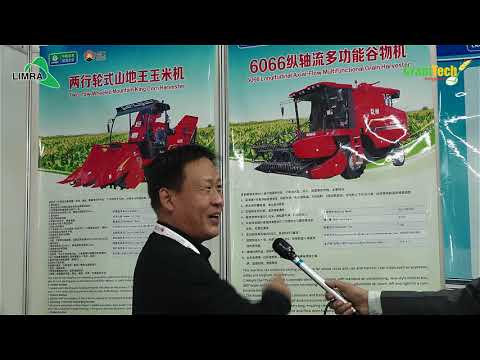
You can learn about South Asia's
largest exhibition on the agriculture topic, including Graintechbd.
Source: Online/GFMM













Comment Now