




How Advanced Feed Testing Improves Quality, Safety, Efficiency, and Animal Performance
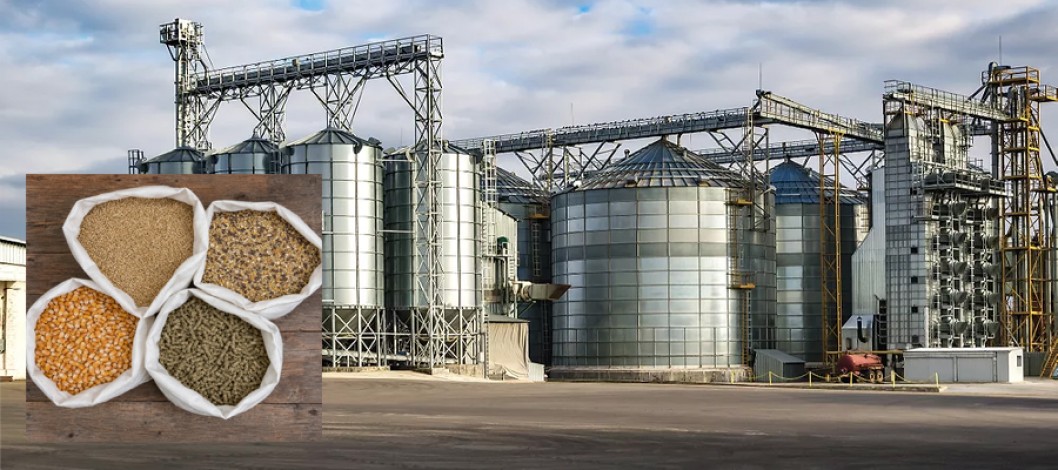
The global feed industry is entering an era where quality, safety, and efficiency are more important than ever. Rising raw material costs, changing consumer expectations, stricter regulations, and growing concerns about animal health are encouraging feed manufacturers to rethink traditional production practices. At the heart of this transformation is smarter feed testing—the use of advanced analytical technologies, reliable laboratory procedures, and data-driven decision-making to ensure that feed ingredients and finished products meet the highest quality and safety standards. From identifying nutritional variations in raw materials to detecting contaminants before they enter the production chain, modern feed testing plays a critical role in building a more reliable, sustainable, and competitive feed industry.
The Growing Importance of Feed Quality
Feed accounts for a significant share of livestock, poultry, and aquaculture production costs. Its quality directly influences animal growth, feed conversion, productivity, health, and profitability. However, feed manufacturers face several challenges when sourcing and processing raw materials. Variations in moisture, protein, fat, fiber, amino acids, and mineral content can affect the nutritional value of a finished feed product. For example, two shipments of soybean meal may have different protein levels or amino acid profiles, even when they originate from the same supplier. Similarly, changes in grain moisture can influence storage stability, milling performance, and the risk of fungal growth. Without effective testing, these variations may remain undetected until they affect production efficiency or animal performance. Accurate testing helps manufacturers understand what is actually present in their ingredients—not simply what is stated on a supplier’s specification sheet.
1. Improving Raw Material Quality Control
Raw materials are the foundation of every successful feed formulation. Their nutritional composition and safety determine the quality of the final product.
Common feed ingredients requiring regular testing include:
* Maize and other grains
* Soybean meal and other protein meals
* Rice bran and wheat bran
* Fishmeal and animal protein sources
* Vegetable oils and animal fats
* Vitamins and mineral premixes
* Feed additives and functional ingredients
* Alternative protein sources
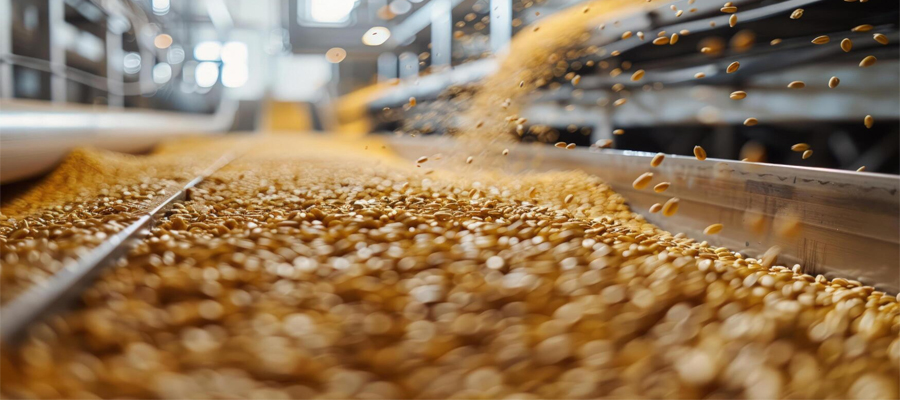
Traditional laboratory analysis remains essential for determining parameters such as moisture, crude protein, crude fat, crude fiber, ash, and mineral content. However, modern feed mills are increasingly adopting rapid analytical technologies, including near-infrared spectroscopy (NIR), to assess ingredient quality more quickly. NIR systems can estimate several nutritional parameters within a short period, depending on the ingredient, calibration model, and instrument. This enables feed manufacturers to make faster decisions regarding raw material acceptance, segregation, storage, and formulation. While NIR does not replace every conventional laboratory method, it can significantly improve the speed and frequency of routine quality checks when properly calibrated and validated.
2. Detecting Contaminants Before They Become a Problem
Feed safety is one of the industry's most important responsibilities. Contaminated feed ingredients can negatively affect animal health, production performance, and food safety throughout the supply chain.
Potential contaminants include:
* Mycotoxins
* Heavy metals
* Pesticide residues
* Pathogenic microorganisms
* Undesirable chemical substances
* Adulterants and prohibited materials
* Mycotoxin Detection
Mycotoxins are toxic compounds produced by certain fungi that may develop in agricultural commodities under favorable conditions. Common concerns include aflatoxins, deoxynivalenol, zearalenone, fumonisins, and ochratoxin A, depending on the raw materials, animal species, and regional conditions. Testing methods such as enzyme-linked immunosorbent assays, commonly known as ELISA, and laboratory-based chromatographic techniques can help identify contamination. High-performance liquid chromatography and liquid chromatography–mass spectrometry are among the analytical approaches used for more detailed or confirmatory testing.
Early detection enables manufacturers to:
* Identify potentially contaminated consignments.
* Prevent unsafe ingredients from entering production.
* Assess whether corrective action is required.
* Improve supplier monitoring.
* Strengthen traceability and documentation.
A rapid screening test can provide an early warning, but suspicious or critical results may require confirmation through a validated laboratory method.
3. Enhancing Feed Formulation Accuracy
Feed formulation is no longer based solely on average ingredient values or historical assumptions. Modern feed manufacturers increasingly rely on precise nutritional data to optimize formulations.
Variations in ingredient composition can affect the balance of:
* Energy
* Crude protein
* Digestible amino acids
* Calcium and phosphorus
* Sodium and other minerals
* Essential fatty acids
* Fiber and other nutritional components
For poultry, livestock, and aquaculture producers, even small formulation inaccuracies can influence feed conversion, growth rates, and production economics. By integrating laboratory results into formulation software, nutritionists can adjust ingredient inclusion rates according to actual nutrient availability. For example, if laboratory analysis shows that a batch of raw material contains less protein than expected, the formulation can be revised to maintain the intended nutritional specifications. This approach helps reduce over-formulation, minimize nutrient wastage, and improve cost control.
From Average Values to Real-Time Decisions
The integration of testing data with digital formulation systems can support a more responsive production process. Instead of relying exclusively on fixed nutrient values, manufacturers can use updated analytical information to make more informed purchasing and formulation decisions. However, accurate results depend on representative sampling, validated analytical methods, and appropriate calibration of testing equipment.
4. The Role of Automation and Digital Technologies
The future of feed testing is closely connected to automation, data integration, and artificial intelligence. Modern feed mills can connect laboratory instruments with quality management systems, enterprise resource planning platforms, and formulation software.
This integration can help manufacturers:
* Record test results automatically.
* Reduce manual data-entry errors.
* Track ingredient quality over time.
* Monitor supplier performance.
* Identify unusual changes in raw material composition.
* Generate quality reports more efficiently.
* Improve traceability across production batches.
Artificial intelligence and machine learning may also support the interpretation of large datasets, provided that the underlying data are accurate and representative. For example, historical testing data could help identify recurring quality variations associated with certain suppliers, seasons, storage conditions, or geographic origins. Nevertheless, digital tools should support—not replace—qualified laboratory personnel, validated procedures, and professional judgment.
5. Ensuring Finished Feed Consistency
Testing should not stop when raw materials enter the feed mill. Finished feed must also be evaluated to ensure that it meets the intended nutritional and physical specifications.
Important finished-feed quality parameters may include:
* Moisture content
* Protein and fat levels
* Particle size
* Pellet durability
* Pellet hardness
* Bulk density
* Homogeneity
*Nutrient distribution
*Microbiological quality
* Contaminant levels, where relevant
* Pellet Quality and Feed Performance
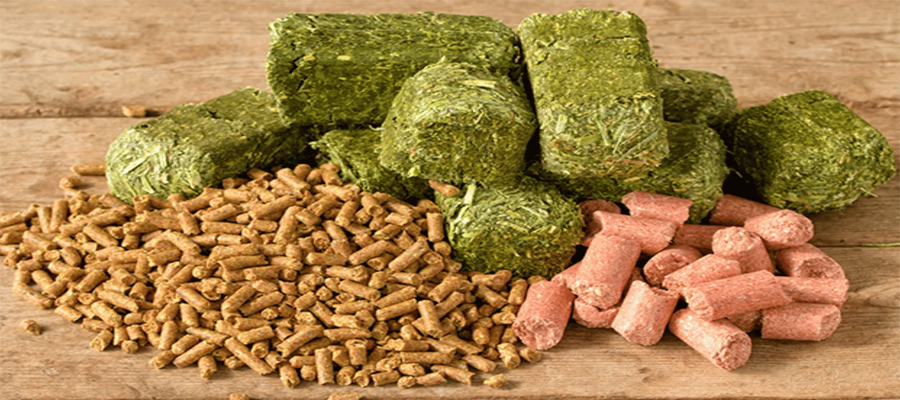
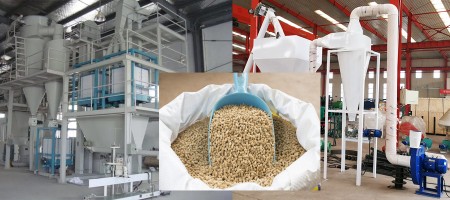
In poultry and livestock production, pellet quality can influence feed wastage, handling, transportation, and animal consumption. Poor pellet durability may lead to excessive fines, while inconsistent particle size can affect feed intake and processing efficiency. Testing pellet durability, hardness, and particle size helps manufacturers identify problems in grinding, conditioning, pelleting, cooling, and screening. Consistent physical quality is particularly important for large-scale commercial feed mills supplying multiple farms or distribution markets.
6. Strengthening Laboratory Standards and Quality Assurance
Advanced equipment alone cannot guarantee accurate results. A reliable feed-testing program requires a comprehensive quality assurance system.
Key elements include:
Representative Sampling
A laboratory result is only as reliable as the sample submitted for analysis. Sampling procedures should account for variations within shipments, storage facilities, and production batches.
Validated Analytical Methods
Laboratories should use appropriate, validated methods and maintain documented procedures for routine and specialized testing.
Equipment Calibration
Analytical instruments must be properly calibrated, maintained, and checked against suitable reference materials.
Staff Competence
Laboratory personnel require training in sampling, sample preparation, analytical procedures, result interpretation, and quality control.
Proficiency Testing
Participation in suitable interlaboratory comparison or proficiency-testing programs can help laboratories evaluate the reliability of their analytical performance.
Documentation and Traceability
Test results should be linked to specific suppliers, batches, samples, and production records to support investigation and corrective action. For manufacturers operating in international markets, laboratory quality systems aligned with relevant standards—such as ISO/IEC 17025, where applicable—can strengthen confidence in analytical results.
7. Reducing Waste and Improving Sustainability
Smarter testing can also contribute to more sustainable feed production. When manufacturers accurately assess ingredient quality, they can improve the use of available raw materials and reduce unnecessary nutrient supplementation.
Better testing may help reduce:
* Ingredient rejection caused by uncertainty.
* Over-formulation of nutrients.
* Production losses.
* Feed wastage.
* Unnecessary transportation and disposal.
* Variations in finished-feed quality.
In addition, reliable testing can support the responsible use of alternative feed ingredients, including by-products and emerging protein sources. However, alternative ingredients must be evaluated carefully for nutritional value, safety, digestibility, contaminants, and consistency before being incorporated into commercial formulations.
8. Building Consumer and Market Confidence
Feed quality has implications far beyond the feed mill. It is closely linked to the productivity, health, and safety of the entire animal-protein supply chain. Feed manufacturers that maintain reliable testing systems can demonstrate stronger control over their products and processes.
This can improve confidence among:
* Poultry and livestock producers
* Aquaculture operators
* Integrators
* Feed distributors
* Regulatory authorities
* Food processors
* International buyers
Transparent testing records and effective traceability can also support customer audits, certification programs, and export-market requirements. As consumers and regulators increasingly focus on food safety and responsible production, feed manufacturers must demonstrate that quality is embedded throughout their operations.
9. Overcoming Challenges in Feed Testing
Despite its benefits, implementing an advanced testing program can present challenges.
Investment Costs
Modern analytical instruments, laboratory facilities, and software systems require investment. Manufacturers must evaluate equipment costs against expected improvements in efficiency, safety, and quality control.
Technical Expertise
Sophisticated testing technologies require trained personnel who understand analytical limitations and result interpretation.
Sampling Errors
Poor sampling can produce misleading results, even when the laboratory method itself is highly accurate.
Method Limitations
Rapid testing technologies may not be suitable for every ingredient or contaminant. Confirmatory analysis may still be necessary.
Data Management
Large volumes of test results require secure, organized, and accessible data systems. A practical strategy is to begin with the most important quality risks, establish reliable routine testing, and gradually introduce advanced technologies as operational needs and resources develop.
The Future of Feed Testing
The next generation of feed testing is likely to combine rapid analysis, automation, laboratory expertise, and digital intelligence. Portable testing devices, improved spectroscopy, automated sampling systems, advanced chromatography, and integrated quality management platforms may enable manufacturers to monitor ingredient and product quality more efficiently. However, technology should be selected according to the specific requirements of each feed mill. A small or medium-sized manufacturer may benefit most from improved sampling procedures, reliable routine laboratory testing, and targeted rapid analysis. A large integrated feed producer may require automated systems capable of processing substantial quantities of data across multiple production facilities. The objective is not simply to purchase advanced equipment. It is to establish a testing strategy that delivers accurate information at the right time and supports better business decisions.
Better Testing, Better Feed, Better Results
The feed industry is under growing pressure to deliver safe, nutritious, consistent, and cost-effective products. In this environment, smarter testing is becoming a strategic necessity rather than an optional investment. By improving raw material assessment, detecting contaminants, strengthening formulation accuracy, monitoring finished-feed quality, and integrating laboratory data into production systems, feed manufacturers can improve operational performance and build greater confidence across the supply chain. The future belongs to companies that combine scientific testing with practical experience, digital innovation, and strong quality management. Smarter testing is not only about measuring feed quality—it is about creating a stronger, safer, and more competitive feed industry.
You can learn about South Asia's
largest exhibition on this topic through this link: https://teacoffeebd.com/
- SZK














Comment Now