




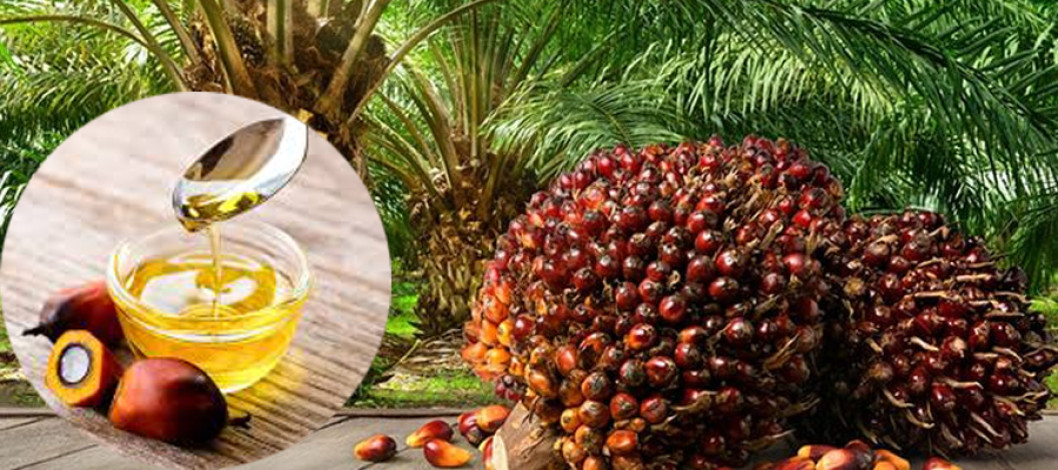
Photo: Collected
Palm oil prices are expected to moderate in the coming months as easing geopolitical tensions and rising seasonal output weigh on the market, according to a latest outlook by BMI Research.
BMI maintained its 2026 average crude palm oil (CPO) price forecast at RM4,300 per tone, but expects front-month prices on Bursa Malaysia to ease toward RM4,200 per tone through the second quarter under its base-case scenario.
The research house said the anticipated decline reflects expectations that a ceasefire in the US-Iran conflict will hold, allowing energy prices to retreat while production in key producers Malaysia and Indonesia picks up seasonally.
“Energy-driven price premiums are likely to gradually erode, although embedded geopolitical and weather-related risks will prevent a full retracement to pre-conflict levels,” BMI said.
As of April 17, palm oil prices stood at RM4,386 per tone, up 10.9% year-to-date, supported by a surge in global energy prices following the outbreak of conflict in late February. However, prices have already pulled back 7.6% from their early-April peak of RM4,745 per tone after a ceasefire agreement was reached.
Conflict remains key price driver
BMI noted that near-term price movements remain closely tied to developments in global energy markets, particularly crude oil prices influenced by tensions in the Middle East.
Under its base-case “Extend to End” scenario, where the conflict moves toward resolution, crude oil prices are expected to fall sharply — dragging palm oil prices lower in tandem.
However, in escalation scenarios, palm oil prices could surge to between RM4,700 and RM5,300 per tone depending on the severity and duration of disruptions, particularly if shipping flows through the Strait of Hormuz are affected.
Supply surplus to narrow
Globally, the palm oil market is projected to remain in surplus, although the gap is expected to tighten. BMI forecasts production to reach 80.7 million tones in 2025/26 and 81.8 million tones in 2026/27, while consumption is seen rising to 77.6 million tones and 79.1 million tones respectively.
This would reduce the surplus from 3.1 million tones to 1.9 million tones, increasing the market’s sensitivity to supply disruptions from weather or geopolitical shocks.
In the near term, tight inventories — particularly in Malaysia — are providing some support to prices, even as output begins to recover. March production rose 7.2% month-on-month, while inventories fell nearly 15% amid strong export demand.
Demand signals mixed
On the demand side, BMI flagged signs of weakening import appetite from key buyer India, where higher prices have begun to curb purchases. Imports fell to 689,462 tones in March from 847,689 tones in February, while stockpiles have risen to 1.9 million tones.
This buffer allows buyers to delay purchases, effectively capping near-term price upside.
El Niño risk looms
Looking ahead, BMI highlighted the growing احتمال of an El Niño weather event in the second half of 2026 as a key upside risk. Dry conditions linked to El Niño could reduce yields across Southeast Asia, tightening supply and lifting prices.
Forecasts from global weather agencies indicate a more than 60% probability of El Niño conditions emerging between May and October 2026.
“Risk premia are likely to build ahead of any confirmed crop damage, supporting prices even before actual production impacts are realized,” BMI noted.
Longer-term outlook stable
Beyond 2026, palm oil prices are expected to ease slightly to an average of RM4,200 per tone in 2027 as geopolitical and weather-related pressures subside.
However, BMI expects structural demand — driven by population growth and expanding biodiesel mandates, particularly in Indonesia — to underpin prices over the longer term, even as supply growth faces constraints from ageing plantations and limited land availability.
Overall, risks to the outlook remain skewed to the upside in the near term, particularly if geopolitical tensions escalate or adverse weather conditions materialize simultaneously.
You can learn about South Asia's largest exhibition on this topic through this link: https://oilfatbd.com/
Source: Online/OFA





















Comment Now